
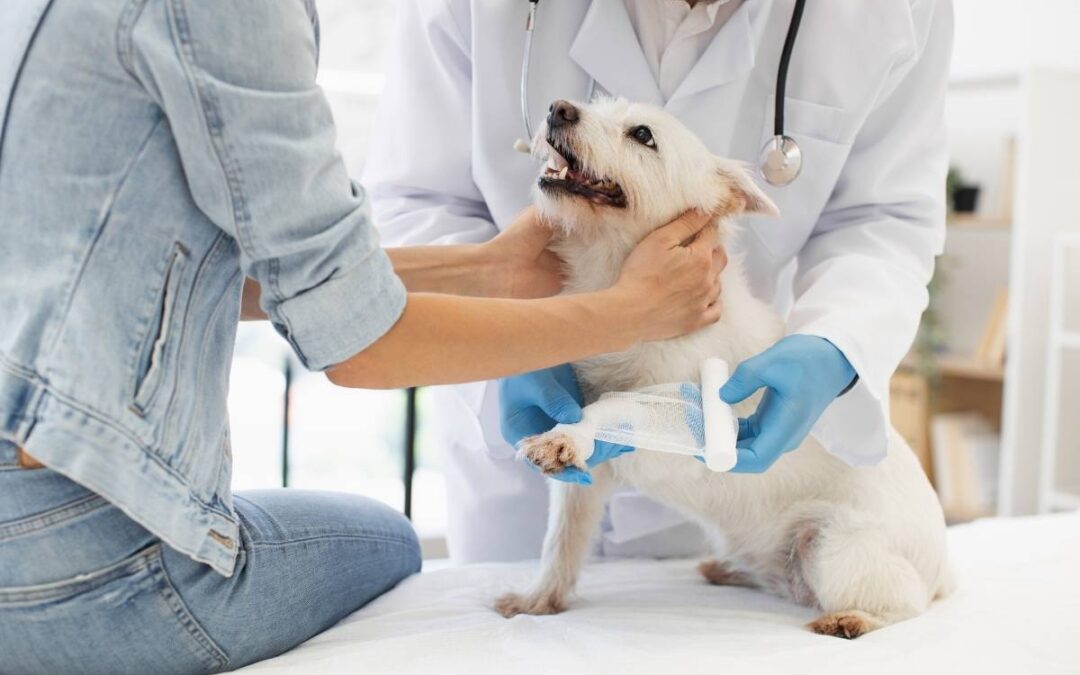
Accidents and emergencies can happen at any time, and being prepared can make all the difference in protecting your pet’s health. Whether it’s a minor injury or a sudden medical issue, knowing basic first aid can help stabilize your pet before professional care is available. At Garners Ferry Animal Hospital in Columbia, pet owners are encouraged to stay informed and proactive when it comes to emergency preparedness.
This guide covers essential, vet-approved first aid tips every pet owner should know to keep their furry companions safe.
Why Pet First Aid Knowledge Matters
Pets are naturally curious and often get into situations that may lead to injuries. From cuts and burns to choking or poisoning, emergencies can escalate quickly. Having basic first aid knowledge allows you to:
- Respond quickly and effectively
- Reduce pain and discomfort for your pet
- Prevent a condition from worsening
- Buy critical time before reaching a veterinarian
While first aid is not a substitute for veterinary care, it plays a vital role in emergencies.
Building a Pet First Aid Kit
Before diving into specific tips, it’s important to have a well-stocked pet first aid kit at home. Some essentials include:
- Gauze and bandages
- Adhesive tape
- Antiseptic wipes or solution
- Tweezers and scissors
- Digital thermometer
- Hydrogen peroxide (only if directed by a vet)
- Disposable gloves
- Emergency contact numbers
Keeping this kit accessible ensures you’re always prepared when needed.
Handling Cuts, Scrapes, and Wounds
Minor cuts and scrapes are common in pets, especially those that spend time outdoors.
What to Do:
- Gently clean the wound with lukewarm water
- Apply a pet-safe antiseptic solution
- Stop bleeding using clean gauze and gentle pressure
- Bandage the wound if necessary
When to See a Vet:
- Deep wounds or excessive bleeding
- Signs of infection (swelling, redness, discharge)
Prompt care can prevent complications and speed up healing.
What to Do If Your Pet Is Choking
Choking is a life-threatening emergency that requires immediate attention.
Signs of Choking:
- Difficulty breathing
- Pawing at the mouth
- Gagging or coughing
First Aid Steps:
- Carefully open your pet’s mouth and look for the object
- If visible, try to remove it gently with tweezers
- For dogs, you can perform a modified Heimlich maneuver if trained
Avoid pushing the object further down the throat. If you cannot remove it quickly, seek emergency veterinary care immediately.
Treating Burns and Scalds
Pets can suffer burns from hot surfaces, liquids, or chemicals.
Immediate Care:
- Cool the affected area with cold (not ice-cold) water for several minutes
- Avoid applying creams or ointments unless prescribed
- Cover the burn with a clean, non-stick bandage
Burns can be more severe than they appear, so veterinary evaluation is essential.
Recognizing and Responding to Poisoning
Household items, certain foods, and plants can be toxic to pets.
Common Symptoms:
- Vomiting or diarrhea
- Excessive drooling
- Seizures or weakness
What to Do:
- Remove your pet from the source of poisoning
- Do not induce vomiting unless instructed by a veterinarian
- Contact your vet immediately with details of the substance
Quick action is critical in poisoning cases and can significantly improve outcomes.
Managing Heatstroke in Pets
Heatstroke is a serious condition, especially during warmer months in Columbia.
Warning Signs:
- Heavy panting
- Drooling
- Lethargy or collapse
First Aid Steps:
- Move your pet to a cool, shaded area
- Offer small amounts of water
- Use cool (not cold) water to lower body temperature
Avoid rapid cooling, as it can cause shock. Always follow up with a veterinarian.
Handling Fractures and Injuries
If your pet suffers a fall or trauma, fractures are a possibility.
What to Do:
- Keep your pet as still as possible
- Use a makeshift splint only if necessary and safe
- Transport your pet carefully to avoid further injury
Never attempt to reset a bone yourself, as improper handling can worsen the condition.
Dealing with Seizures
Seizures can be frightening, but staying calm is essential.
During a Seizure:
- Keep your pet away from sharp objects
- Do not put your hands near their mouth
- Time the seizure duration
After the seizure ends, keep your pet comfortable and contact your veterinarian for further guidance.
Importance of Preventive Care
While first aid is crucial, prevention is always better than cure. Regular veterinary visits, proper nutrition, and timely vaccinations can significantly reduce the risk of emergencies. Staying up to date with services like pet vaccinations columbia ensures your pet is protected against many preventable diseases.
When to Seek Immediate Veterinary Care
First aid is only the first step. You should always seek professional care if your pet experiences:
- Difficulty breathing
- Uncontrolled bleeding
- Severe pain or trauma
- Loss of consciousness
- Persistent vomiting or diarrhea
If you’re unsure about your pet’s condition, it’s always safer to consult a veterinarian. Don’t hesitate to schedule an appointment when your pet needs expert care.
Final Thoughts
Being prepared for emergencies is one of the most responsible things a pet owner can do. With basic first aid knowledge and a well-equipped kit, you can respond quickly and effectively when your pet needs you most.
Garners Ferry Animal Hospital in Columbia is committed to helping pet owners provide the best possible care, whether it’s routine wellness or emergency support. Staying informed, proactive, and attentive can make a life-saving difference for your beloved companion.
Frequently Asked Questions
1. What should I include in a pet first aid kit?
Ans: A pet first aid kit should include bandages, antiseptic solution, gauze, tweezers, scissors, gloves, and emergency contact information.
2. Can I use human medications on my pet?
Ans: No, you should never give human medications to pets unless specifically instructed by a veterinarian, as many can be toxic.
3. How do I know if my pet’s injury is serious?
Ans: Signs like heavy bleeding, severe pain, swelling, or behavioral changes indicate the need for immediate veterinary care.
4. What is the first thing to do in a pet emergency?
Ans: Stay calm, assess the situation, provide basic first aid, and contact your veterinarian as soon as possible.
5. How can I prevent common pet emergencies?
Ans: Regular vet checkups, proper training, safe home environments, and preventive care like vaccinations can reduce risks.
6. Should I take a pet first aid course?
Ans: Yes, taking a certified pet first aid course can help you feel more confident and prepared during emergencies.