When your pet undergoes surgery, the recovery process plays a major role in their long-term health and comfort. Whether your dog or cat has had a routine spay or neuter procedure, orthopedic surgery, dental treatment, or emergency operation, proper aftercare can help reduce complications and support faster healing.
At Garners Ferry Animal Hospital in Columbia, we understand how stressful post-surgical recovery can feel for pet owners. Knowing what to expect and how to care for your pet at home can make the healing process smoother and more comfortable for everyone involved.
What to Expect After Pet Surgery
It is normal for pets to behave differently for the first 24 to 48 hours after surgery. Anesthesia and pain medications may cause temporary side effects, including:
- Drowsiness or grogginess
- Reduced appetite
- Mild whining or restlessness
- Temporary balance issues
- Increased sleep
- Mild swelling near the surgical site
Most pets gradually return to their normal behavior within a couple of days. However, recovery time depends on the type of surgery, your pet’s age, and overall health condition.
Following your veterinarian’s discharge instructions carefully is one of the most important steps in helping your pet heal properly.
Preparing a Comfortable Recovery Space
Creating a quiet and safe recovery area at home is essential after surgery. Pets need a calm environment where they can rest without unnecessary activity or stress.
Choose a comfortable location away from stairs, loud noises, children, or other pets. Soft bedding, proper room temperature, and easy access to water can help your pet feel more relaxed.
For dogs, avoid slippery floors that may cause falls or strain. Cats recovering from surgery may prefer a secluded area where they feel secure and undisturbed.
Limiting movement during recovery helps protect stitches and reduces the risk of complications.
Managing Pain and Medications
Pain management is a critical part of post-surgery care. Pets often hide discomfort, so even if they appear normal, they may still be experiencing pain.
Always give medications exactly as prescribed by your veterinarian. This may include:
- Pain relievers
- Anti-inflammatory medications
- Antibiotics
- Sedatives or calming medications
Never give human medications to pets unless specifically directed by your veterinarian. Some over-the-counter medications can be highly toxic to dogs and cats.
If your pet refuses medication, ask your veterinary team about safe alternatives or administration techniques.
Monitoring the Surgical Incision
Checking the incision site daily is extremely important during recovery. Mild redness or swelling can be normal during the first few days, but the area should gradually improve over time.
Signs of healthy healing include:
- Clean and dry incision edges
- Minimal swelling
- No foul odor
- No discharge or bleeding
Contact your veterinarian immediately if you notice:
- Excessive swelling
- Pus or discharge
- Bleeding
- Missing stitches
- Open wounds
- Strong odor
- Severe redness or heat around the area
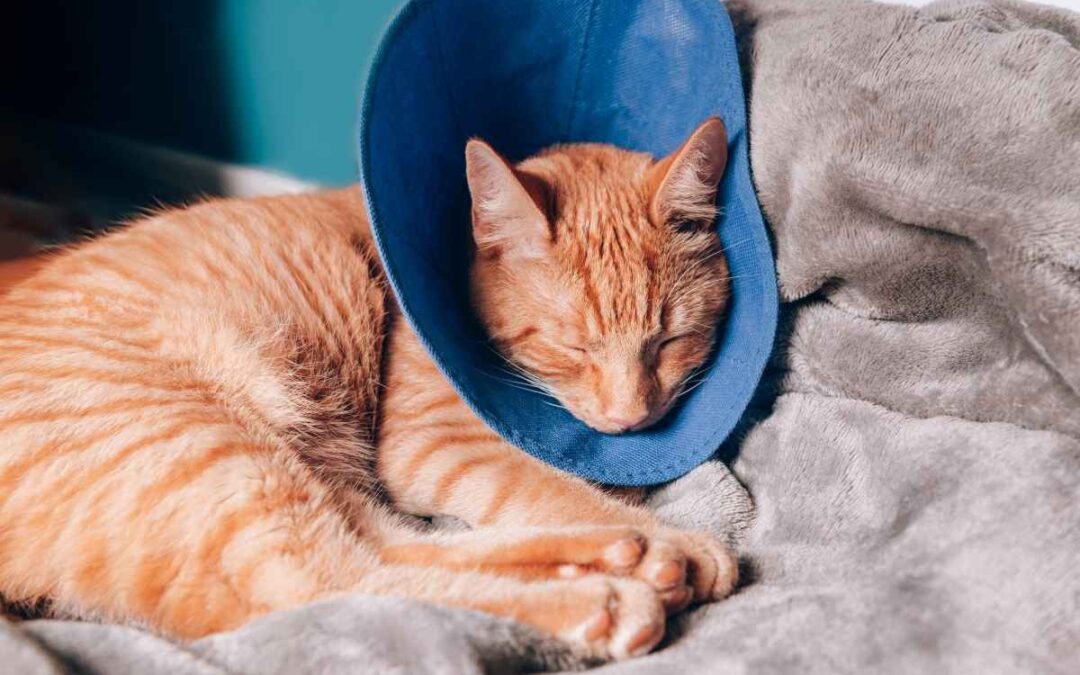
Preventing your pet from licking or chewing the incision is also essential. An Elizabethan collar (cone) or recovery suit may be recommended to protect the surgical area.
Restricting Activity During Recovery
One of the hardest parts of post-surgery care for many pet owners is limiting activity. Even energetic pets need strict rest after surgery to avoid reopening wounds or delaying healing.
Depending on the procedure, your veterinarian may recommend:
- Leash walks only
- No jumping or running
- Crate rest
- Avoiding stairs
- Limited playtime
Large breed dogs and highly active pets may need extra supervision during recovery. Too much activity too soon can increase swelling and cause complications.
Follow your veterinarian’s recommended timeline before allowing normal exercise again.
Feeding and Hydration After Surgery
Some pets experience temporary nausea or decreased appetite after anesthesia. Offering small amounts of water and light meals can help ease the transition back to normal eating.
Tips for feeding pets after surgery include:
- Start with small portions
- Offer bland or veterinarian-approved food if needed
- Encourage hydration
- Avoid giving table scraps
- Monitor for vomiting or diarrhea
If your pet refuses food for more than 24 hours or shows signs of severe nausea, contact your veterinarian.
Pets recovering from dental procedures or oral surgery may need soft foods temporarily.
Keeping Your Pet Emotionally Comfortable
Recovery is not only physical, emotional comfort matters too. Pets may feel anxious, confused, or clingy after surgery.
You can help reduce stress by:
- Maintaining a calm routine
- Providing gentle affection
- Keeping the environment quiet
- Avoiding unnecessary visitors or excitement
- Monitoring interactions with other pets
Cats especially may hide or become less social during recovery. Give them time and space while continuing to monitor their condition closely.
Warning Signs That Require Veterinary Attention
While many pets recover smoothly, some complications require prompt medical care.
Call your veterinarian if your pet experiences:
- Difficulty breathing
- Persistent vomiting
- Severe lethargy
- Pale gums
- Collapse or weakness
- Excessive bleeding
- Sudden swelling
- Refusal to drink water
- Fever
- Extreme pain or crying
Trust your instincts. If something feels unusual during your pet’s recovery, it is always safer to contact your veterinary team.
Recovery Timelines for Common Pet Surgeries
Healing times vary depending on the type of procedure performed.
Spay and Neuter Surgery
Most pets recover within 10 to 14 days with limited activity and incision monitoring.
Orthopedic Surgery
Bone and joint procedures may require several weeks or months of restricted movement and rehabilitation.
Dental Surgery
Pets often recover quickly, though soft food and oral care instructions may be necessary.
Soft Tissue Surgery
Procedures involving internal organs or mass removals may require additional monitoring and follow-up visits.
Your veterinarian will provide personalized recovery instructions based on your pet’s specific procedure.
Follow-Up Appointments Matter
Post-operative checkups help ensure your pet is healing properly. During these visits, your veterinarian may:
- Examine the incision
- Remove sutures or staples
- Adjust medications
- Monitor pain levels
- Recommend activity changes
Skipping follow-up care can increase the risk of unnoticed complications.
If your pet needs surgical care or recovery support, consider reaching out to Garners Ferry Animal Hospital to book an appointment and receive personalized guidance for your pet’s recovery journey.
Supporting Long-Term Recovery and Wellness
Healing does not end once stitches are removed. Some pets may need ongoing rehabilitation, weight management, physical therapy, or lifestyle adjustments after surgery.
Helping your pet maintain a healthy weight and balanced nutrition can reduce stress on joints and improve long-term recovery outcomes.
Routine veterinary visits also play an important role in monitoring your pet’s overall wellness after surgery.
Final Thoughts
Post-surgery care is one of the most important responsibilities pet owners face after a veterinary procedure. Proper rest, medication management, incision monitoring, and follow-up care all contribute to a safer and more comfortable recovery.
Every pet heals differently, but with patience, consistency, and veterinary guidance, most dogs and cats can return to their happy and active lives successfully.
Providing attentive care during the recovery period not only supports physical healing but also strengthens the bond you share with your pet.
FAQs
1. How long does it take for pets to recover after surgery?
Recovery time depends on the procedure and your pet’s overall health. Minor surgeries may heal within two weeks, while orthopedic procedures can take several months.
2. Should my pet wear a cone after surgery?
Yes, many pets need an Elizabethan collar or recovery suit to prevent licking or chewing the incision, which can delay healing or cause infection.
3. Is it normal for pets to sleep more after surgery?
Yes, drowsiness and increased sleep are common after anesthesia and pain medications. However, severe lethargy or unresponsiveness should be evaluated by a veterinarian.
4. When can my dog return to normal exercise?
Your veterinarian will provide a recovery timeline based on the surgery performed. Most pets require restricted activity for at least 10 to 14 days.
5. What should I do if my pet will not eat after surgery?
Offer small meals and fresh water. If your pet refuses food for more than 24 hours or shows vomiting or weakness, contact your veterinarian.
6. Can pets climb stairs after surgery?
In many cases, stairs should be limited during recovery, especially after orthopedic or abdominal surgery. Ask your veterinarian for specific activity restrictions.