
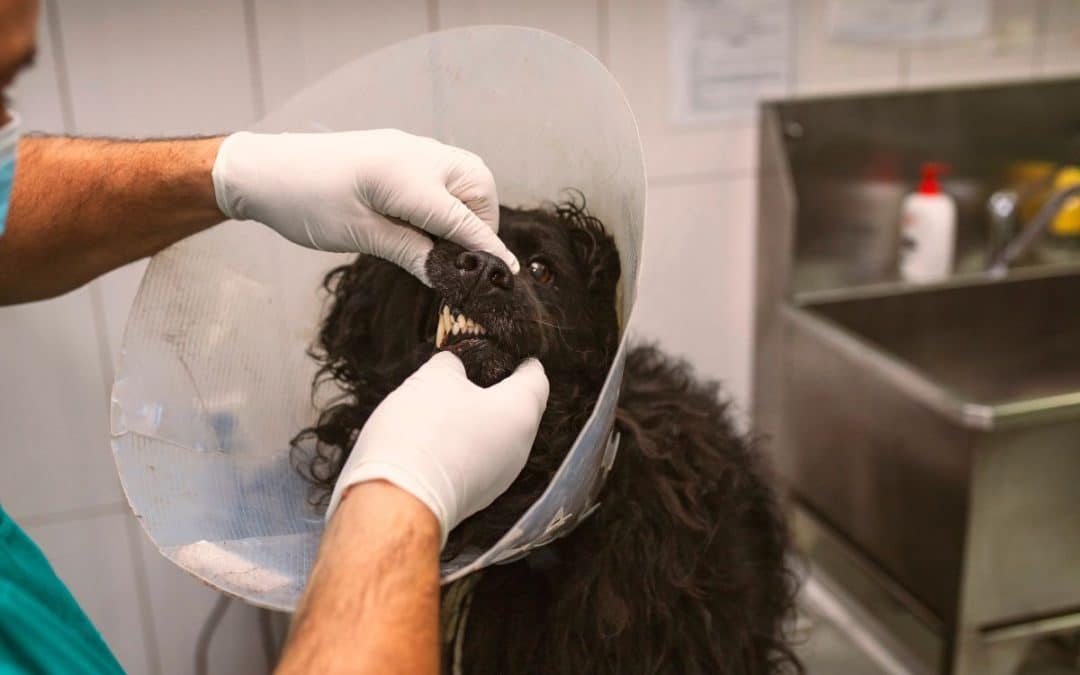
Your dog loves chewing on bones, or your cat enjoys biting toys during playtime. These activities may seem harmless, but they can sometimes lead to a painful dental injury. Broken teeth are more common in pets than many owners realize, and the damage is not always easy to notice.
A fractured tooth can expose sensitive tissue, allow bacteria to enter the tooth, and cause infections if left untreated. Even when a pet continues eating normally, the damaged tooth may be causing significant discomfort.
Understanding why pets break their teeth, recognizing early warning signs, and knowing when veterinary treatment is necessary can help prevent further complications.
At our veterinary practice in Columbia, we understand how easily dental injuries can go unnoticed. Through dental examinations and appropriate treatment, our vets help pet owners address oral health problems before they become more serious. This guide explains the common causes of broken teeth in dogs and cats, the symptoms to watch for, and how our pet dental care can protect your pet’s comfort and health.
What Causes Broken Teeth in Dogs and Cats?
Pets can fracture their teeth through everyday activities, accidents, or existing dental problems. Some injuries happen suddenly, while others develop after repeated pressure weakens the tooth.
Chewing on Hard Bones and Objects
Chewing on objects that are too hard is one of the most common causes of fractured teeth in dogs.
Items that may damage teeth include:
- Animal bones, including cooked and raw bones
- Antlers and hooves
- Hard nylon chew toys
- Rocks and other hard objects
- Ice cubes
When a dog bites down forcefully on a rigid object, the pressure can crack the enamel or break part of the tooth.
The large upper fourth premolars, often called carnassial teeth, are particularly vulnerable to slab fractures during chewing.
Accidents and Physical Trauma
Falls, collisions, and other injuries can damage a pet’s teeth.
Dogs may fracture teeth while playing roughly, catching hard objects, or running into furniture. Cats may experience dental trauma after falling from elevated surfaces or being involved in fights.
An injury can affect a single tooth or several teeth, depending on the force of the impact.
Chewing on Cage Bars or Household Objects
Some pets repeatedly bite hard surfaces because of stress, boredom, or behavioral habits. Dogs that chew metal crate bars or furniture may gradually damage their teeth. Similar injuries can occur when pets repeatedly bite other rigid household objects. Repeated pressure can weaken tooth structure and eventually cause fractures.
Existing Dental Disease
Dental disease can contribute to tooth damage, particularly when the supporting tissues become severely affected.
Advanced periodontal disease may loosen teeth and damage the surrounding bone. Tooth decay is uncommon in dogs and cats, but it can occasionally weaken teeth.
Cats can also develop tooth resorption, a painful condition in which the tooth structure progressively breaks down.
These conditions require veterinary evaluation because their treatment differs from that of an uncomplicated traumatic fracture.
What Are the Warning Signs of a Broken Tooth in Pets?
A broken tooth does not always cause obvious symptoms. Many dogs and cats continue eating and behaving normally despite dental pain.
Pet owners should watch for the following changes:
- Difficulty chewing: Your pet may chew on one side of the mouth or drop food while eating.
- Reduced interest in hard food: A pet may prefer softer food because chewing causes discomfort.
- Excessive drooling: Increased saliva production, sometimes with blood, may indicate oral irritation or injury.
- Pawing at the mouth: Pets may rub their faces or paw at their mouths when experiencing discomfort.
- Bad breath: Persistent unpleasant breath can indicate dental disease or infection.
- Visible tooth damage: A chipped, cracked, discolored, or shortened tooth may indicate a fracture.
- Facial swelling: Swelling near the muzzle, cheek, or below the eye can indicate a tooth-root infection.
Some fractures expose the pulp, the tissue inside the tooth that contains nerves and blood vessels. These injuries can be particularly painful and may lead to infection.
If you notice a broken tooth, arrange a veterinary examination promptly, even if your pet seems comfortable.
Are Broken Teeth Painful for Dogs and Cats?
Yes. Broken teeth can cause significant pain, especially when the fracture exposes sensitive dentin or the tooth’s pulp. However, the severity of discomfort depends on the location and depth of the injury.
A small enamel chip may cause little discomfort, while a deeper fracture can expose nerves and allow bacteria to enter the tooth. Pets often hide dental pain. Instead of crying or refusing food, they may eat more slowly, avoid certain toys, or become less interested in play.
An untreated fracture can eventually lead to pulp infection, tooth-root abscesses, and damage to nearby tissues. Veterinary assessment is important because the visible portion of the fracture does not always reveal the full extent of the injury.
How Do Veterinarians Diagnose Broken Teeth?
Diagnosing a fractured tooth involves more than looking inside a pet’s mouth. Our vets begin by reviewing your pet’s symptoms, chewing habits, and any recent injuries. An initial oral examination may identify visible fractures, loose teeth, swelling, or signs of dental disease.
A more complete assessment may require an anesthetized dental examination.
Depending on the injury, diagnostic procedures may include:
- Oral examination: Checking the tooth surface, gums, and surrounding structures for damage.
- Periodontal probing: Assessing gum attachment and identifying damage around the affected tooth.
- Dental radiographs: Examining tooth roots and surrounding bone for hidden disease or injury, when available or arranged through referral.
- Pulp assessment: Determining whether the fracture has exposed the internal tooth tissue.
These findings help determine whether the tooth can be preserved or requires extraction.
What Are the Treatment Options for Broken Teeth in Pets?
Treatment depends on the type of fracture, the affected tooth, your pet’s age, and the condition of the surrounding tissues.
Monitoring Minor Enamel Fractures
Small fractures limited to the enamel may not require extraction.
However, a veterinarian near you must first confirm that deeper tooth structures are not affected.
Some minor injuries can be monitored through regular dental examinations. Sharp edges or exposed dentin may require additional treatment to reduce sensitivity and protect the tooth.
Tooth Extraction
Extraction is a common treatment for severely damaged or infected teeth.
It may be recommended when the fracture extends deeply into the tooth, the root is compromised, or preserving the tooth is not practical.
Removing the affected tooth eliminates the source of pain and infection.
Most pets adapt well after appropriate healing, even when a large chewing tooth must be removed.
Root Canal Treatment
Root canal treatment may be an option for certain fractured teeth, particularly important chewing or canine teeth. The procedure removes damaged or infected pulp tissue, disinfects the internal canal, and seals the tooth.
This allows the tooth to remain in place while addressing the internal infection. Root canal treatment is generally performed by a veterinarian with advanced dental training or a veterinary dental specialist.
Treatment for Associated Infection
When a fractured tooth develops an infection, treatment must address the affected tooth itself. Pain medication may be prescribed, and antibiotics may be appropriate in selected cases. However, antibiotics alone cannot resolve an infected tooth pulp. Definitive dental treatment is usually necessary to eliminate the underlying problem.
At our veterinary practice, we offer dental care and dental surgery for dogs and cats. Our vets can assess your pet’s oral health, discuss appropriate treatment, and recommend a veterinary specialty referral when necessary.
How Can Pet Owners Prevent Broken Teeth?
Not every dental injury is preventable, but simple changes to your pet’s daily routine can reduce the risk.
Choose Safer Chew Toys
Avoid bones, antlers, rocks, and toys that are too hard.
A practical guideline is to avoid chew toys that cannot be indented with a fingernail. This is not a guarantee of safety, so supervise chewing and select toys appropriate for your pet’s size and chewing behavior.
Check Your Pet’s Mouth Regularly
Look for damaged teeth, gum redness, unusual discoloration, or changes in breath. Do not force your pet’s mouth open if they resist or appear uncomfortable.
Schedule Routine Dental Examinations
Regular veterinary visits allow dental problems to be identified before they cause more serious complications. Professional oral examinations are especially important for pets with previous dental injuries or periodontal disease.
Maintain a Consistent Dental Hygiene Routine
Home oral care helps reduce plaque accumulation and supports gum health. Use pet-safe toothpaste and brushing techniques recommended by your veterinarian. Dental products accepted by the Veterinary Oral Health Council may also help control plaque or tartar.
Although brushing cannot prevent fractures caused by excessive chewing force, it remains an important part of preventive pet dental care.
What Should You Do if Your Pet Breaks a Tooth?
If you discover a broken tooth, avoid giving your pet hard treats, bones, or chew toys until a veterinarian has examined the injury. Offer food that is comfortable to eat, and avoid touching or manipulating the damaged tooth.
Do not give human pain medications. Common medications such as ibuprofen and acetaminophen can be dangerous for pets.
Contact your veterinarian promptly to arrange an examination. If your pet has severe facial swelling, uncontrolled bleeding, significant trauma, or difficulty breathing, seek emergency veterinary attention. Early assessment can help prevent additional pain, infection, and damage to the surrounding tissues.
Protect Your Pet’s Smile With Timely Veterinary Care
A healthy mouth allows your pet to eat comfortably, enjoy favorite activities, and maintain normal daily habits. When a tooth breaks, even a small injury can affect that comfort. Recognizing dental problems early and seeking appropriate treatment can help prevent infections, relieve pain, and protect your pet’s oral health.
At Garners Ferry Animal Hospital, our veterinary team evaluates dental concerns and recommends treatment based on each pet’s needs. If your dog or cat has a chipped tooth, difficulty chewing, or other signs of dental discomfort, don’t wait for the problem to worsen. Call our veterinary practice today and let our vets help your pet return to comfortable eating, playing, and everyday activities.
Frequently Asked Questions
1. Can a broken tooth heal on its own in dogs or cats?
Ans: No. Unlike bones, fractured teeth cannot regenerate their lost structure. Minor enamel chips may only require monitoring, but deeper fractures often need veterinary treatment. An examination can determine whether the tooth requires extraction, root canal therapy, or another procedure.
2. Is a broken tooth an emergency for pets?
Ans: A broken tooth with exposed pulp requires prompt veterinary attention because it can cause pain and infection. Severe bleeding, facial swelling, or injuries involving significant trauma may require emergency care. Even without obvious symptoms, a fractured tooth should be examined.
3. Can dogs and cats eat normally after having a broken tooth removed?
Ans: Yes. Most pets can return to normal eating after their mouths have healed. Your veterinarian may recommend soft food during recovery and provide instructions about when to resume regular meals and chew toys.
4. Where can I take my dog for a broken tooth in Columbia?
Ans: Garners Ferry Animal Hospital provides dental examinations, dental care, and dental surgery for dogs in Columbia, SC. Our veterinary team can evaluate the injury, identify signs of infection, and recommend an appropriate treatment plan.
5. Does Garners Ferry Animal Hospital provide dental care for cats in Columbia?
Ans: Yes. Garners Ferry Animal Hospital offers dental care for cats, including evaluation of damaged teeth and other oral health concerns. Our vets can assess your cat’s dental condition and discuss whether treatment or additional diagnostic evaluation is needed.
6. How can I schedule a dental examination for my pet in Columbia?
Ans: You can contact Garners Ferry Animal Hospital to arrange a dental examination. Our veterinary practice serves dogs and cats in Columbia and can help determine the next steps when a pet has a broken tooth or shows signs of oral discomfort.