
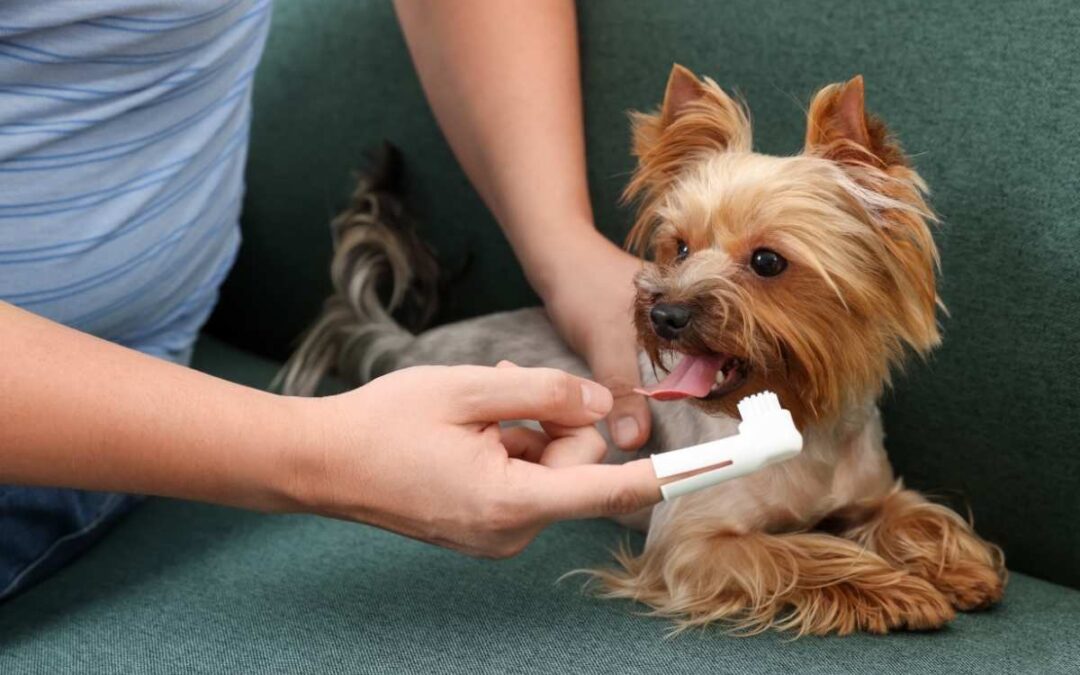
Maintaining your pet’s oral health is just as important as caring for their diet, exercise, and routine checkups. Many pet owners overlook dental hygiene, but veterinarians consistently emphasize that regular brushing plays a critical role in preventing serious health issues. If you’ve ever wondered how often you should brush your pet’s teeth, this guide will walk you through everything you need to know—based on veterinary recommendations and best practices.
Why Dental Care Matters for Pets
Oral health is closely connected to your pet’s overall well-being. Without proper dental care, plaque and tartar can build up quickly, leading to gum disease, tooth loss, and even infections that spread to vital organs such as the heart and kidneys.
Veterinarians highlight that untreated dental disease can cause:
- Bad breath (often the first noticeable sign)
- Pain while eating
- Bleeding gums
- Tooth decay and loss
- Systemic health complications
This is why consistent pet dental care is essential—not just for a healthy smile, but for a longer, happier life.
How Often Should You Brush Your Pet’s Teeth?
Daily Brushing: The Gold Standard
Veterinarians recommend brushing your pet’s teeth daily whenever possible. Daily brushing helps remove plaque before it hardens into tartar, which is much harder to eliminate and often requires professional cleaning.
Minimum Recommendation
If daily brushing isn’t realistic for your routine, aim for at least 3–4 times per week. While not as effective as daily care, it still significantly reduces plaque buildup and supports oral health.
Why Frequency Matters
Plaque begins forming on your pet’s teeth within hours after eating. If not removed regularly, it can harden into tartar within 24–48 hours. Once tartar forms, brushing alone won’t be enough—you’ll need a veterinary dental cleaning.
Signs Your Pet Needs Better Dental Care
Even with brushing, it’s important to watch for signs that your pet may need additional attention. Common indicators include:
- Persistent bad breath
- Yellow or brown tartar buildup
- Red, swollen, or bleeding gums
- Difficulty chewing or loss of appetite
- Excessive drooling
If you notice any of these symptoms, it’s best to consult a veterinarian promptly.
Step-by-Step Guide to Brushing Your Pet’s Teeth
Brushing your pet’s teeth might seem challenging at first, but with patience and the right approach, it becomes much easier.
1. Choose the Right Tools
- Use a pet-specific toothbrush (never a human toothbrush)
- Select veterinary-approved toothpaste (never human toothpaste, as it can be toxic to pets)
2. Get Your Pet Comfortable
Start slowly by letting your pet taste the toothpaste and get used to having their mouth handled. Gradual introduction is key to building trust.
3. Use Gentle Motions
Brush in small, circular motions, focusing on the outer surfaces of the teeth where plaque tends to accumulate.
4. Keep Sessions Short
Aim for 1–2 minutes per session. Short, positive experiences help your pet stay cooperative over time.
5. Reward and Reinforce
Always reward your pet after brushing to create a positive association with the process.
Additional Ways to Support Dental Health
While brushing is the most effective method, you can complement it with other dental care practices:
Dental Chews and Toys
Specially designed chews help reduce plaque and tartar while keeping your pet engaged.
Dental Diets
Some pet foods are formulated to promote oral health by reducing plaque buildup.
Water Additives
These can help control bacteria in your pet’s mouth, though they should not replace brushing.
Professional Cleanings
Routine veterinary dental cleanings are essential for removing hardened tartar and addressing deeper issues.
How Often Should Pets Get Professional Dental Cleanings?
Even with consistent brushing, pets still need professional cleanings. Most veterinarians recommend:
- Once a year for most pets
- More frequently for pets prone to dental issues
During a professional cleaning, veterinarians can thoroughly remove tartar, check for underlying problems, and ensure your pet’s mouth is healthy.
If you’re unsure about your pet’s dental needs, it’s always a good idea to schedule an appointment with a trusted veterinary team for a thorough evaluation.
Common Mistakes Pet Owners Should Avoid
Skipping Brushing Altogether
Many pet owners rely solely on dental treats, which are helpful but not a substitute for brushing.
Using Human Toothpaste
Human toothpaste contains ingredients that can be harmful to pets.
Waiting Too Long to Start
The earlier you introduce dental care, the easier it becomes. Puppies and kittens adapt quickly to brushing routines.
Ignoring Warning Signs
Delaying treatment for dental issues can lead to more serious and costly health problems.
Building a Consistent Dental Routine
Consistency is the key to success. Try to incorporate brushing into your daily routine—such as after meals or before bedtime. Keeping a regular schedule not only benefits your pet’s health but also helps them become more comfortable with the process.
At Garners Ferry Animal Hospital in Columbia, veterinarians emphasize preventive care as the foundation of long-term health. Establishing a dental routine early can make a significant difference in your pet’s quality of life.
Final Thoughts
Brushing your pet’s teeth may seem like a small task, but it has a major impact on their overall health. Daily brushing is ideal, but even a few times a week can greatly reduce the risk of dental disease. Combined with regular veterinary checkups and professional cleanings, you can ensure your pet maintains a healthy, pain-free smile for years to come.
FAQs
1. Can I brush my pet’s teeth every day?
Ans: Yes, daily brushing is highly recommended by veterinarians and is the most effective way to prevent plaque buildup.
2. What happens if I don’t brush my pet’s teeth?
Ans: Neglecting dental care can lead to plaque, tartar, gum disease, tooth loss, and even serious health issues affecting internal organs.
3. How do I know if my pet has dental disease?
Ans: Signs include bad breath, swollen gums, tartar buildup, and difficulty eating. A veterinary exam is the best way to confirm.
4. Are dental treats enough to keep my pet’s teeth clean?
Ans: No, dental treats are helpful but should be used alongside regular brushing, not as a replacement.
5. At what age should I start brushing my pet’s teeth?
Ans: It’s best to start when your pet is young, but older pets can also learn with gradual training and patience.
6. How often should I take my pet for dental checkups?
Ans: Most pets should have a dental checkup at least once a year, though some may require more frequent visits depending on their condition.