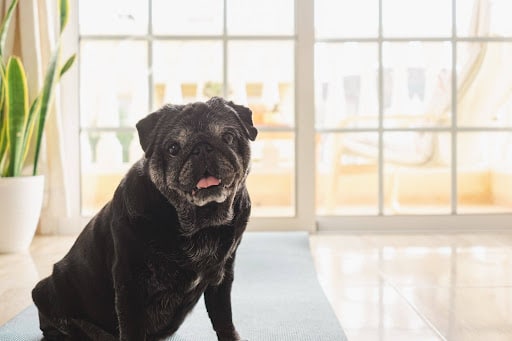
Aging dogs often become less active while their nutritional needs change. Pet wellness care in Columbia can help older dogs maintain a healthy weight, preserve mobility, and support overall well-being. Weight management is not simply about appearance. For senior dogs, maintaining an appropriate body condition can reduce unnecessary strain on the joints and make everyday activities more comfortable.
Why Weight Management Matters for Senior Dogs
As dogs age, their metabolism, activity levels, and muscle mass can change. A dog that once ran, played, and exercised for hours may naturally become less active. However, if food portions and treats remain the same, those extra calories can gradually lead to weight gain.
Excess weight can place additional pressure on the joints, especially in dogs already experiencing age-related stiffness. It may also make movement more difficult and discourage physical activity. This can create a cycle in which a dog moves less, gains more weight, and becomes even less active.
Regular veterinary care in Columbia can help identify changes in body condition and provide guidance before weight gain becomes a larger concern.
How Aging Changes a Dog’s Weight Needs
Senior dogs do not all age in the same way. Breed, size, activity level, existing health conditions, and lifestyle can all influence their nutritional and exercise needs.
Lower Activity Levels
Older dogs may sleep more and spend less time running or playing. Even small reductions in daily activity can affect calorie requirements.
Changes in Muscle Mass
Aging dogs can gradually lose muscle if they are not staying active. Maintaining lean muscle is important for mobility and strength, so weight management should focus on overall body composition rather than simply reducing the number on a scale.
Different Nutritional Requirements
Senior dogs may benefit from diets and feeding routines tailored to their individual needs. A veterinarian can help determine whether changes in food type, portion size, feeding frequency, or treats are appropriate.
Signs Your Senior Dog May Be Carrying Extra Weight
Weight gain can happen gradually, making it easy for owners to overlook. Checking your dog’s body condition regularly can help you notice changes sooner.
Some signs may include:
- Ribs are difficult to feel beneath a layer of fat.
- The waist is less visible when viewed from above.
- The abdomen appears less tucked when viewed from the side.
- Your dog becomes reluctant to walk or play.
- Your dog tires more quickly during normal activities.
- Grooming or reaching certain areas becomes difficult.
A veterinarian can assess your dog’s body condition and determine whether weight loss is appropriate. Not every older dog needs to lose weight, and sudden changes in weight should also be discussed with a veterinary professional.
How to Help an Older Dog Maintain a Healthy Weight
Weight control for senior dogs usually works best when it combines appropriate nutrition, regular movement, and ongoing monitoring.
Measure Meals Carefully
Avoid estimating portions by eye. Measuring your dog’s food can make calorie intake more consistent. Follow your veterinarian’s recommendations because feeding needs vary between individual dogs.
Be Mindful of Treats
Treats, table scraps, and snacks can contribute significant calories over time. Consider using smaller treats or accounting for treats when planning your dog’s daily food intake.
Encourage Appropriate Exercise
Senior dogs still benefit from regular physical activity. Short, gentle walks may be more comfortable than long, strenuous outings. Play sessions and other low-impact activities can also help maintain mobility.
Always consider your dog’s age, fitness level, and physical limitations when choosing activities.
Monitor Weight Regularly
Don’t wait until your dog looks noticeably heavier before checking their weight. Regular monitoring can help identify gradual changes. Keeping a simple record can also help you and your veterinarian evaluate whether a nutrition or activity plan is working.
Why Regular Wellness Visits Matter for Senior Dogs
Weight gain in an older dog is not always caused by overeating. Changes in activity, metabolism, mobility, or general health may influence body condition. That’s why weight management should be part of a broader senior wellness plan.
During routine visits, your veterinarian can evaluate your dog’s overall condition and discuss nutrition, activity, mobility, and other age-related needs. Regular pet wellness care in Columbia gives pet owners an opportunity to track changes over time rather than waiting until a problem becomes more noticeable.
Routine veterinary near you can also make it easier to maintain consistent monitoring as your dog enters its senior years.
Creating a Practical Weight Management Plan
Every senior dog has different needs. A healthy weight goal for one dog may not be appropriate for another. Your veterinarian can consider factors such as breed, current weight, body condition, activity level, and lifestyle when developing a plan.
A practical plan may include:
- Establishing a healthy target body condition.
- Measuring daily food portions.
- Adjusting treats and snacks.
- Choosing suitable low-impact activities.
- Monitoring weight and body condition.
- Scheduling regular wellness evaluations.
- Adjusting the plan as your dog ages.
The goal should not be rapid weight loss. Gradual, supervised changes are generally more appropriate for senior dogs.
Supporting Healthy Aging Through Better Weight Control
Maintaining a healthy weight is an important part of senior dog care. Appropriate nutrition, regular movement, careful portion control, and consistent monitoring can help older dogs stay active and comfortable as they age. Weight management should always be personalized rather than based on a one-size-fits-all approach.
For individualized guidance and ongoing veterinary care in Columbia, pet owners can rely on the experienced team at Garners Ferry Animal Hospital. Their veterinary services include wellness care and nutritional counseling to support pets throughout their lives. If your senior dog needs a wellness and weight assessment, schedule an appointment with our animal hospital to discuss a care plan suited to your dog’s needs.
Frequently Asked Questions
1. Why do older dogs gain weight more easily?
Ans: Older dogs often become less active and may experience changes in metabolism and muscle mass. If calorie intake stays the same while activity decreases, gradual weight gain can occur.
2. How can I tell if my senior dog is overweight?
Ans: You may notice that your dog’s ribs are harder to feel, the waist is less visible, or the abdomen appears less tucked. A veterinarian can provide a more accurate body condition assessment.
3. Should I reduce my senior dog’s food automatically?
Ans: Not necessarily. Food requirements vary by dog. A veterinarian should evaluate your dog’s body condition, activity level, nutritional needs, and overall health before recommending portion changes.
4. Can senior dogs still exercise regularly?
Ans: Yes. Many older dogs benefit from consistent, moderate activity. Short walks and gentle activities may be suitable, but exercise should be adjusted to your dog’s individual abilities.
5. Are treats important to consider during weight management?
Ans: Yes. Treats can add substantial calories to a dog’s daily intake. Keeping portions small and accounting for treats can help support a healthy weight.
6. When should my senior dog have a weight evaluation?
Ans: Regular wellness visits provide a good opportunity to monitor body condition. You should also contact your veterinarian if you notice unexplained weight gain or loss, changes in appetite, or reduced activity.