
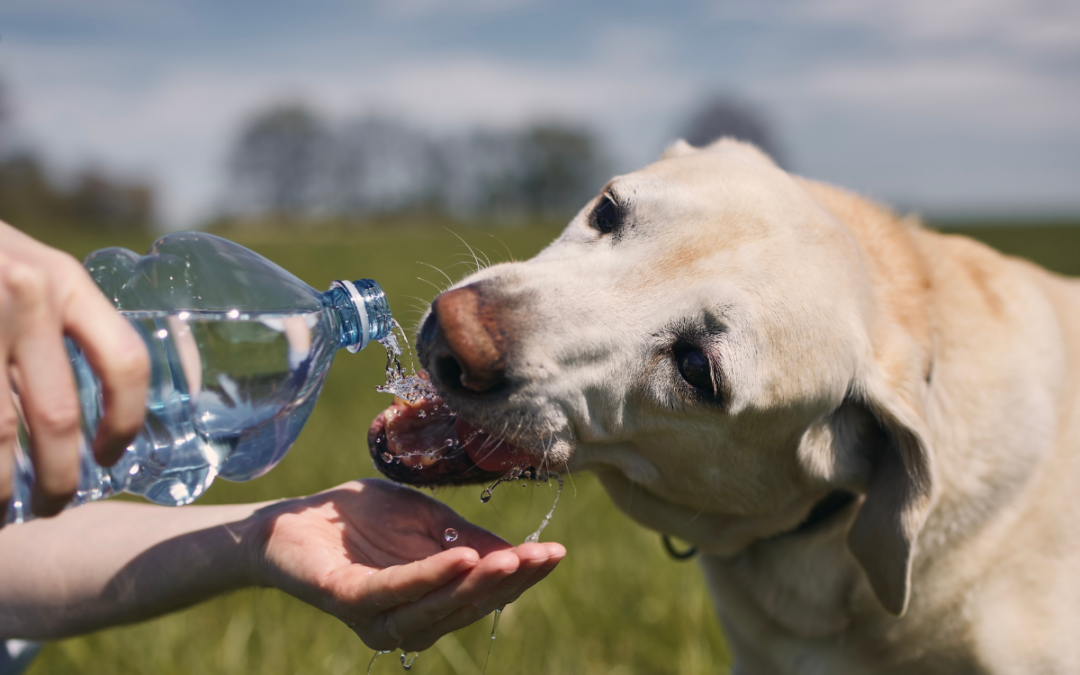
As pets grow older, their care needs begin to change. Most pet owners focus on proper nutrition, regular exercise, and routine veterinary visits for their aging companions. However, one important factor that is often overlooked is hydration. Ensuring your senior pet drinks enough water is vital for maintaining their health, supporting organ function, and improving their quality of life.
Dehydration in older pets can develop gradually and may go unnoticed until it causes serious health issues. Understanding the importance of hydration and learning simple ways to encourage your senior pet to drink more water can make a significant difference in their well-being.
Why Hydration Matters for Senior Pets
Water plays a crucial role in nearly every function of your pet’s body. Proper hydration helps regulate body temperature, supports digestion, lubricates joints, and assists in removing toxins from the body.
For senior pets, staying hydrated becomes even more important. Aging animals are more likely to experience health issues such as arthritis, kidney problems, or dental disease that may reduce their desire to drink water. In some cases, a diminished sense of smell or taste can also affect how much they drink.
If dehydration occurs, it can contribute to complications like urinary tract infections, kidney disease, and digestive problems. This is why monitoring your pet’s water intake becomes increasingly important as they age.
Simple Ways to Encourage Your Senior Pet to Drink More Water
Provide Fresh Water Daily
Always make sure your pet has access to clean, fresh water. Senior pets can be sensitive to taste, so refreshing their water bowl frequently can encourage them to drink more. It can also help to place water bowls in multiple locations around your home so your pet can easily access them.
Consider Adding Wet Food
Wet pet food contains significantly more moisture than dry kibble, which can help increase your pet’s overall water intake. High-quality wet food can be especially beneficial for senior pets that may not drink enough water on their own.
Use a Pet Water Fountain
Some pets are more attracted to moving water than still water in a bowl. A pet water fountain can stimulate curiosity and encourage pets to drink more frequently. This can be particularly helpful for older pets with reduced senses.
Add Water or Broth to Their Meals
If your pet tends to avoid drinking water, adding a small amount of water or low-sodium broth to their food can increase hydration. Be sure that any broth used is free from harmful ingredients such as onions, garlic, or artificial additives.
Monitor Their Drinking Habits
Keeping track of your pet’s daily water intake can help you notice changes early. If your senior pet suddenly begins drinking significantly less water, it may indicate an underlying health issue that should be evaluated by a veterinarian.
The Hidden Risks of Dehydration in Older Pets
Dehydration can affect multiple systems in your pet’s body. It can worsen joint pain, making mobility more difficult for pets already dealing with arthritis. It may also reduce appetite, leading to a cycle where your pet eats less and becomes even weaker.
Over time, untreated dehydration can significantly impact your pet’s overall health and quality of life. Recognizing the early signs and addressing them quickly is essential for protecting your senior pet’s well-being.
Practical Steps to Prevent Dehydration
Track Water Intake
Pay attention to how much water your pet drinks each day. Noting changes in their habits can help detect potential health concerns early.
Schedule Regular Veterinary Visits
Routine veterinary exams help identify potential dehydration-related health issues before they become severe. Preventive care is especially important for senior pets.
Encourage Hydration Throughout the Day
Offer water during daily activities such as walks, playtime, or after meals. Small reminders throughout the day can help increase your pet’s overall fluid intake.
Supporting Your Senior Pet’s Long-Term Health
Keeping your senior pet properly hydrated is one of the simplest yet most important ways to support their overall health. Providing fresh water, offering moisture-rich foods, and monitoring their drinking habits can help prevent dehydration and related health problems.
If you notice changes in your pet’s water intake or suspect dehydration, consulting a veterinarian can help identify the cause and ensure your pet receives proper care.
At Garners Ferry Animal Hospital in Columbia, SC, we are dedicated to helping pets stay healthy at every stage of life. Our team works closely with pet owners to support the health, comfort, and well-being of senior pets through personalized veterinary care.
Frequently Asked Questions (FAQs)
1. How much water should my senior pet drink each day?
On average, pets should drink about one ounce of water per pound of body weight daily. However, factors like diet, activity level, and health conditions may affect this amount.
2. Can I flavor my pet’s water to encourage drinking?
Yes. Adding a small amount of low-sodium broth or offering ice cubes made from broth can encourage pets to drink more. Just ensure the broth does not contain harmful ingredients.
3. Why do older pets drink less water?
Senior pets may drink less due to reduced thirst sensation, dental discomfort, arthritis, or underlying medical conditions such as kidney disease.
4. What are the signs of dehydration in pets?
Common signs include dry gums, lethargy, sunken eyes, decreased appetite, and reduced skin elasticity. If these symptoms appear, veterinary care is recommended.
5. Can dehydration affect my pet’s appetite?
Yes. Dehydration can cause fatigue and loss of appetite, which may worsen your pet’s overall health if not addressed promptly.