
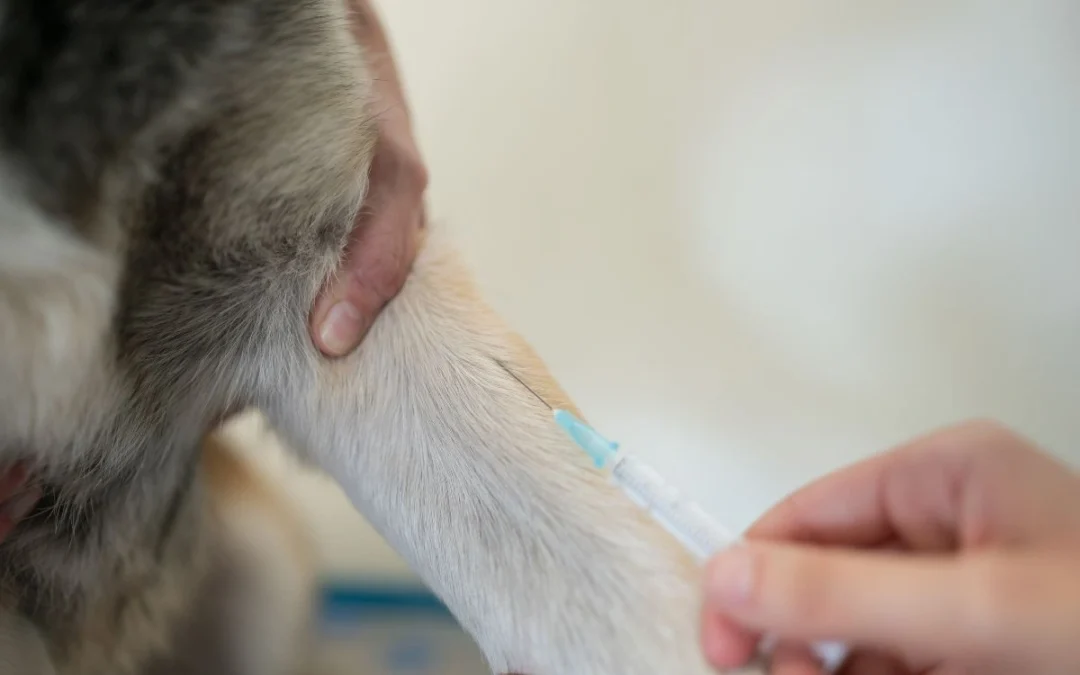
As dogs grow older, their bodies go through significant changes that require more attentive monitoring. Routine blood tests play a vital role in senior pet care, helping detect hidden health issues before they become serious. Staying proactive with your dog’s health can greatly improve their comfort and quality of life in their golden years.
Why Blood Tests Matter for Senior Dogs
Blood tests are a simple and effective way to assess your dog’s internal health. They provide valuable information about organ function, blood cell levels, and overall wellness. For senior dogs, these insights are especially important since many age-related conditions develop gradually and may not show obvious symptoms early on.
Regular testing allows veterinarians to identify potential problems early and begin treatment before the condition worsens. Visiting a trusted veterinary hospital Columbia ensures your pet receives accurate diagnostics and expert care.
Key Health Markers Checked in Blood Tests
Routine blood work evaluates several critical health indicators that are essential for maintaining your senior dog’s well-being:
Kidney Function
As dogs age, the risk of kidney disease increases. Blood tests measure markers like BUN and creatinine to detect early signs, often before symptoms appear.
Liver Health
The liver plays a crucial role in detoxification and metabolism. Elevated enzyme levels may indicate liver issues or other underlying conditions.
Thyroid Balance
Hormonal imbalances such as hypothyroidism are common in older dogs. Blood tests help identify irregular thyroid levels that may cause weight gain, fatigue, or skin problems.
Red and White Blood Cell Counts
Blood tests can detect anemia, infections, or immune system concerns by analyzing blood cell levels, allowing for timely intervention.
Blood Sugar Levels
Senior dogs are more susceptible to diabetes. Monitoring glucose levels helps detect and manage the condition early.
Early Detection Improves Senior Pet Care
One of the biggest benefits of routine blood tests is early detection. Many serious conditions—like kidney disease or metabolic disorders—can progress silently. By the time visible symptoms appear, the condition may already be advanced.
With regular testing, veterinarians can catch subtle changes early and recommend treatment or lifestyle adjustments. This proactive approach leads to better outcomes and supports long-term senior pet care.
Support Your Dog’s Health as They Age
Caring for a senior dog means staying ahead of potential health issues. Routine blood tests are a simple yet powerful tool to ensure your pet remains happy and comfortable for years to come.
At Garner’s Ferry Animal Hospital, we are dedicated to providing compassionate, comprehensive care for aging pets. If you’re looking for a reliable veterinary hospital Columbia, our team is here to support every stage of your dog’s life.
Schedule an appointment with Garner’s Ferry Animal Hospital today and give your senior dog the proactive care they deserve.
Frequently Asked Questions
Q1. How often should senior dogs have blood tests?
Ans: Senior dogs should typically have blood work done once a year, though more frequent testing may be recommended based on their health.
Q2. What can blood tests reveal in older dogs?
Ans: They can detect conditions such as kidney disease, diabetes, liver issues, thyroid imbalances, and anemia.
Q3. Why are kidney values important?
Ans: Markers like BUN and creatinine help assess kidney function and can indicate early-stage disease.
Q4. Can blood tests diagnose serious illnesses?
Ans: While they may not confirm all conditions, they provide critical clues that help veterinarians investigate further.
Q5. Are blood tests safe for senior dogs?
Ans: Yes, they are safe, routine procedures that require only a small blood sample and offer valuable health insights.