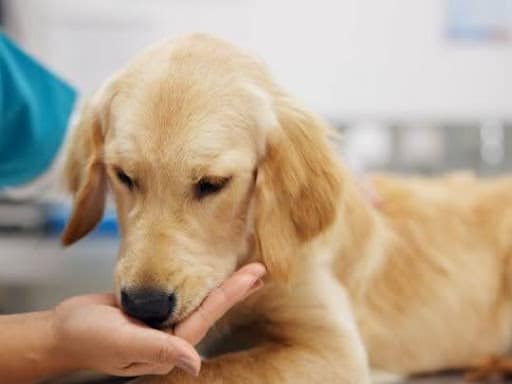
A pet injury can happen in seconds, leaving you unsure what to do next. Knowing basic first aid and when to seek urgent pet care in Columbia can help you respond calmly. Minor cuts, sprains, torn nails, bites, and other injuries may sometimes need simple home care, while more serious problems require prompt veterinary evaluation.
The goal of first aid is not to replace professional treatment. Instead, it can help protect your pet and prevent an injury from getting worse while you determine the appropriate next step.
How to Assess a Pet Injury Safely
Before treating an injured dog or cat, take a moment to assess the situation. Pets experiencing pain may become fearful or defensive, even if they are normally gentle.
Keep your voice calm and approach slowly. Look for visible wounds, swelling, bleeding, limping, unusual posture, or sensitivity when the affected area is touched.
Check whether your pet can:
- Stand and walk normally
- Put weight on each leg
- Breathe comfortably
- Respond normally to you
- Move without obvious pain
- Eat and drink normally
Avoid repeatedly touching or moving an injured area. If your pet becomes distressed, stop the examination and contact a veterinary hospital in Columbia for guidance.
Basic First Aid for Minor Pet Injuries
Some superficial injuries can receive basic first aid while you arrange veterinary care if needed. The appropriate response depends on the type and severity of the injury.
Caring for Small Cuts and Scrapes
If your pet has a small, shallow wound, gently rinse the area with clean water or sterile saline. Remove loose dirt without scrubbing the tissue.
For minor bleeding, apply gentle, steady pressure with clean gauze or a soft cloth. Avoid repeatedly lifting the material to check whether bleeding has stopped because this can interfere with clot formation.
Do not apply household chemicals, rubbing alcohol, or human medications to a wound unless specifically directed by a veterinarian.
Handling a Limp or Suspected Sprain
A sudden limp can result from a minor strain, paw injury, torn nail, or a more significant orthopedic problem. Keep your pet quiet and restrict running, jumping, and rough play.
Do not force the leg into a particular position or attempt to manipulate the joints. If your pet refuses to bear weight, appears very painful, or the limp continues, veterinary evaluation is appropriate.
Managing a Torn Nail
A broken or torn nail can be painful and may bleed. Keep your pet calm and prevent licking or chewing at the affected paw.
If bleeding is minor, gentle pressure with clean gauze may help. Because nail injuries can expose sensitive tissue, persistent bleeding, significant pain, or a badly damaged nail should be evaluated by a veterinarian.
When Pet Injuries Need Urgent Veterinary Care
Some injuries should not be managed at home. Prompt veterinary attention is particularly important when your pet has significant bleeding, difficulty walking, severe pain, or a wound that appears deep.
Contact a vet near you if you notice:
- Bleeding that does not stop with gentle pressure
- A deep or widely separated wound
- Significant swelling
- Severe or worsening pain
- Difficulty standing or walking
- A suspected fracture
- A wound involving the eye or mouth
- A bite wound or puncture
- A foreign object embedded in the body
- Repeated vomiting after an injury
- Major changes in behavior or responsiveness
A professional examination can reveal problems that may not be visible from the outside. Even a small-looking wound can sometimes involve deeper tissue damage.
Why Prompt Veterinary Evaluation Matters
Pet injuries can change quickly. A wound that initially appears minor may become painful or infected, while an orthopedic injury may become worse if your pet continues running or jumping.
Veterinary evaluation allows the medical team to determine the extent of the injury and recommend appropriate treatment. Depending on the situation, care may include wound cleaning, diagnostic imaging, pain management, medication, bandaging, or other treatment.
Garners Ferry Animal Hospital provides medical care, hospitalization, surgery, digital radiology, ultrasound, and other veterinary services for pets in Columbia.
What Not to Do After a Pet Injury
Good intentions can sometimes make an injury worse. Avoid attempting treatments that could damage tissue or hide important symptoms.
Do not:
- Give your pet human pain medication unless a veterinarian specifically instructs you to do so.
- Pull out deeply embedded objects.
- Attempt to straighten a suspected broken bone.
- Apply harsh chemicals to open wounds.
- Force your pet to walk on a painful limb.
- Allow excessive licking or chewing of an injured area.
- Use a tight bandage without knowing the proper technique.
If you are uncertain about what to do, contacting a veterinary professional is safer than experimenting with home treatments.
Preparing for an Urgent Veterinary Visit
If your pet needs urgent care, keeping them calm can help prevent additional injury. Restrict movement as much as possible and keep your pet away from stairs, furniture, and other hazards.
For a painful dog, avoid encouraging unnecessary walking. A carrier can help transport smaller pets safely. For larger pets, ask the veterinary team for guidance about safe transportation.
If possible, note when the injury occurred and what happened. Tell the veterinary team about any changes you noticed afterward, including limping, swelling, bleeding, appetite changes, or unusual behavior.
If you need assistance determining the appropriate next step, contact our animal hospital. You can call us at 803-776-4554 for guidance. The hospital is located at 7354 1/2 Garners Ferry Rd., Columbia, SC 29209, and is open Monday through Friday from 8 a.m. to 5 p.m.
Helping Your Pet Recover After an Injury
Home care remains important after your pet receives veterinary treatment. Follow all instructions provided by the veterinary team and monitor the affected area regularly.
Keep wounds clean as directed and prevent your pet from licking or chewing the treatment area. Restrict physical activity if recommended, particularly after an orthopedic injury or procedure.
Watch for changes such as increasing swelling, redness, discharge, worsening pain, reduced appetite, or unusual tiredness. If something seems different from what your veterinarian described as normal recovery, seek professional advice.
Being prepared for injuries can make stressful situations easier to manage. Knowing basic first aid, recognizing concerning symptoms, and having access to urgent pet care in Columbia can help you make informed decisions when your pet needs prompt attention.
Compassionate Urgent Pet Care for Columbia Pets
Knowing how to respond to an injury can help you protect your pet while deciding whether professional care is needed. When an injury appears painful, severe, or difficult to assess at home, prompt veterinary attention can provide answers and appropriate treatment.
For trusted urgent pet care in Columbia, pet owners can turn to Garners Ferry Animal Hospital for professional veterinary support. The team is committed to providing individualized medical and surgical care for companion pets.
Frequently Asked Questions
1. Can I treat a minor pet injury at home?
Ans: Some small, superficial injuries may be managed temporarily with basic first aid. However, wounds that are deep, painful, contaminated, or slow to heal should be evaluated by a veterinarian.
2. How do I know if my pet’s injury needs veterinary care?
Ans: Persistent bleeding, severe pain, difficulty walking, significant swelling, deep wounds, suspected fractures, or embedded objects are reasons to seek professional veterinary evaluation.
3. Should I give my pet human pain medication after an injury?
Ans: No. Many human medications can be unsafe for pets. Speak with a veterinarian before giving your pet any medication for pain.
4. What should I do if my pet is limping?
Ans: Keep your pet quiet and restrict running and jumping. Do not manipulate the injured leg. If your pet cannot bear weight, appears painful, or the limp persists, seek veterinary care.
5. How can I stop my pet from licking a wound?
Ans: Preventing licking is important because excessive licking can irritate tissue and interfere with healing. Your veterinarian can recommend an appropriate protective method based on the location of the injury.
6. Where can I find urgent veterinary care in Columbia?
Ans: Pet owners seeking prompt veterinary attention can contact a local veterinary team for guidance. Garners Ferry Animal Hospital provides veterinary services for dogs and cats in Columbia, including medical care, diagnostics, hospitalization, and surgery.