
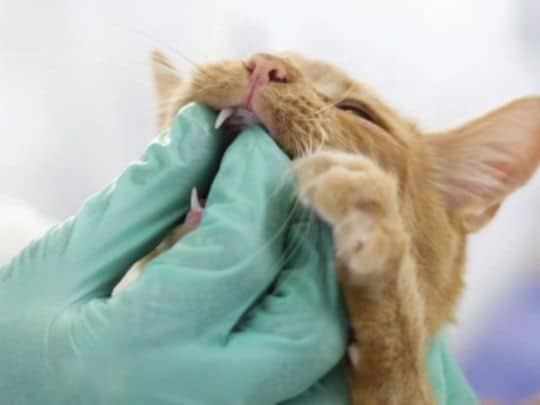
A cat’s oral health plays an important role in its overall well-being. Periodontal disease is one of the most common dental problems affecting cats, and it can develop gradually without obvious signs at first. Because cats often hide discomfort, changes in their eating habits or behavior may not appear until the condition has progressed.
Understanding the causes, stages, warning signs, and treatment options can help pet owners recognize potential dental problems earlier. Regular examinations with a Columbia veterinarian can also help identify oral health concerns before they become more advanced.
What Is Cat Periodontal Disease?
Periodontal disease is an inflammatory condition that affects the tissues surrounding and supporting a cat’s teeth. It usually begins when plaque, a sticky film containing bacteria, builds up on the teeth. If plaque is not removed, it can harden into tartar, also called dental calculus.
Over time, bacteria beneath the gumline can cause inflammation and damage to the gums and supporting structures of the teeth. Without appropriate pet dental care, the condition may progress and lead to tooth loss and ongoing oral discomfort.
What Causes Periodontal Disease in Cats?
The primary cause of periodontal disease is the accumulation of plaque and tartar around the teeth. Several factors can contribute to its development, including:
- Inadequate oral hygiene
- Plaque buildup along the gumline
- Existing dental abnormalities
- Crowded or misaligned teeth
- Age-related changes in oral health
- Individual susceptibility to dental disease
Cats can also develop other oral conditions that may resemble periodontal disease. This is why a professional examination is important when a cat shows signs of dental discomfort.
Stages of Cat Periodontal Disease
Periodontal disease generally progresses through several stages. Identifying the condition early can make treatment easier and help preserve healthy teeth.
Stage 1: Gingivitis
The earliest stage is gingivitis, which involves inflammation of the gums. The gums may appear red, swollen, or sensitive, particularly around the edges of the teeth. At this point, the structures supporting the teeth have not yet suffered significant damage.
Professional cleaning and improved home dental care may help manage gingivitis before it progresses.
Stage 2: Early Periodontitis
As periodontal disease advances, inflammation extends below the gumline. Bacteria begin affecting the tissues that support the teeth. Mild attachment loss may occur, and professional dental treatment becomes increasingly important.
Stage 3: Moderate Periodontitis
Moderate disease involves greater damage to the tissues and bone supporting the teeth. Cats may experience oral discomfort, bad breath, gum bleeding, or difficulty chewing. Dental X-rays can help a veterinarian determine how much damage has occurred beneath the visible gumline.
Stage 4: Advanced Periodontitis
Advanced periodontal disease can result in substantial loss of bone and supporting tissue. Teeth may become loose and may require extraction. At this stage, prompt veterinary dental treatment is important for addressing affected teeth and maintaining the cat’s oral health.
Signs Your Cat May Have Dental Disease
Cats are particularly good at hiding signs of discomfort, so pet owners should pay attention to subtle changes. Potential signs include:
- Persistent bad breath
- Red or swollen gums
- Drooling
- Difficulty chewing
- Dropping food while eating
- Reduced interest in food
- Chewing on one side of the mouth
- Pawing at the mouth
- Loose or missing teeth
- Bleeding from the gums
- Changes in grooming or behavior
A cat may continue eating normally even when dental disease is present, so the absence of obvious symptoms does not necessarily mean the mouth is healthy.
How Is Periodontal Disease Diagnosed?
A veterinarian begins with an examination of the cat’s mouth and gums. However, some dental disease occurs beneath the gumline, where it cannot be seen during a routine visual inspection.
A thorough dental evaluation may include an oral examination, professional cleaning, and dental X-rays when appropriate. These diagnostic steps allow a veterinary hospital to evaluate the teeth, roots, surrounding bone, and supporting tissues.
Your veterinary near you can also recommend an appropriate dental care routine based on your cat’s age, oral health, and individual needs.
Cat Periodontal Disease Treatment Options
Treatment depends on the severity of the disease and the condition of the affected teeth.
Professional Dental Cleaning
A professional dental cleaning removes plaque and tartar from the tooth surfaces and areas below the gumline. Polishing the teeth after cleaning helps create a smoother surface where plaque is less likely to accumulate quickly.
Dental X-Rays
Dental X-rays can reveal problems below the gumline, including bone loss, damaged tooth roots, and other abnormalities. They are particularly useful when determining whether a tooth can be preserved.
Tooth Extraction
Severely damaged, loose, or painful teeth may need to be removed. Extraction can eliminate a source of ongoing oral disease and allow the surrounding tissues to heal.
At-Home Dental Care
Home care can help reduce plaque accumulation between professional dental visits. Depending on your cat’s temperament and oral health, your veterinarian may recommend brushing with products specifically designed for cats or other appropriate dental-care methods.
How Can Cat Owners Help Prevent Periodontal Disease?
Consistent dental care is an important part of maintaining your cat’s oral health. Pet owners can help by:
- Checking the mouth regularly for changes
- Monitoring breath odor and eating habits
- Following recommended professional dental care
- Using veterinarian-recommended dental products
- Establishing an appropriate home oral hygiene routine
- Scheduling regular veterinary examinations
Starting good dental habits early can make oral care easier throughout your cat’s life.
When Should You Talk to a Veterinarian?
Any noticeable change in your cat’s mouth, eating behavior, breath, or grooming habits deserves attention. Even mild signs can indicate an underlying dental problem that is not visible to the naked eye.
Routine examinations allow a veterinary hospital to identify oral health concerns and recommend appropriate care before periodontal disease becomes more advanced. If your cat has persistent bad breath, inflamed gums, loose teeth, or difficulty eating, professional evaluation is especially important.
Protecting Your Cat’s Oral Health
Periodontal disease can develop quietly, but recognizing the early signs and maintaining consistent dental care can make a meaningful difference to your cat’s oral health. Professional examinations, appropriate dental treatment, and a practical home-care routine can help protect the teeth and supporting tissues.
If you have concerns about your cat’s dental health, Garners Ferry Animal Hospital can help evaluate your pet’s oral health and discuss appropriate pet dental care options. To address possible periodontal disease or establish a preventive dental-care plan, schedule an appointment with our animal hospital.
Frequently Asked Questions
1. Is periodontal disease common in cats?
Ans: Yes. Periodontal disease is a common oral health problem in cats, particularly as they get older. Regular dental examinations can help identify plaque, tartar, and gum inflammation before the condition progresses.
2. Can periodontal disease cause bad breath in cats?
Ans: Yes. Persistent bad breath can be associated with plaque, tartar, bacterial buildup, and gum disease. A veterinarian can determine whether dental disease or another underlying issue is responsible.
3. Can periodontal disease be reversed?
Ans: Early gingivitis may improve with appropriate professional cleaning and consistent home dental care. Once periodontal disease has caused damage to the supporting tissues and bone, however, the damage may not be fully reversible. Treatment focuses on controlling the disease and protecting the remaining healthy structures.
4. Does my cat need dental X-rays?
Ans: Dental X-rays can be valuable because much of a tooth and its supporting structures are hidden beneath the gumline. Your veterinarian can determine whether X-rays are appropriate based on your cat’s oral examination.
5. How can I care for my cat’s teeth at home?
Ans: Home dental care may include regular tooth brushing with cat-specific dental products and other veterinarian-recommended options. Introduce oral care gradually so your cat can become comfortable with the process.
6. When should my cat have a dental examination?
Ans: Cats should have their oral health evaluated regularly as part of routine veterinary care. If you notice bad breath, gum redness, difficulty eating, drooling, or other changes, schedule an examination sooner.