
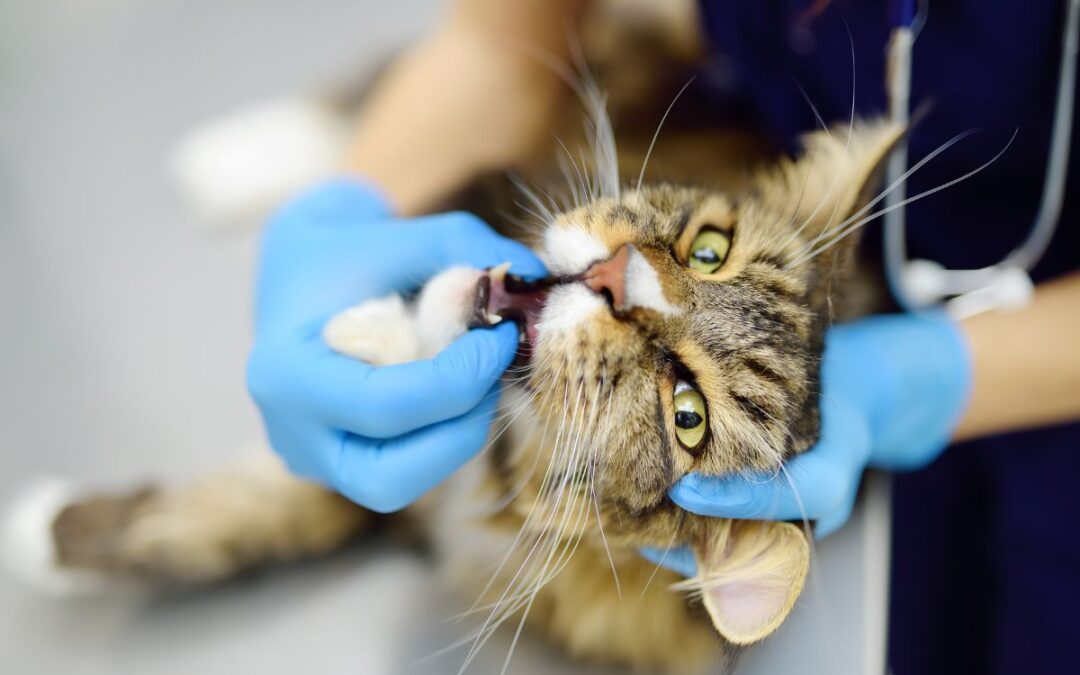
Cats are experts at hiding discomfort, which means dental disease can go unnoticed for months or even years. While many pet owners focus on feeding, grooming, and vaccinations, oral health is often overlooked. However, maintaining proper pet dental care is one of the most important parts of keeping your feline companion healthy and comfortable throughout their life.
Professional dental cleanings do much more than freshen your cat’s breath. They help prevent painful oral disease, protect internal organs, and improve your cat’s overall quality of life. At Garners Ferry Animal Hospital in Columbia, compassionate veterinary professionals provide comprehensive dental services designed to support long-term feline health.
Why Dental Health Matters in Cats
Dental disease is one of the most common health conditions seen in cats. By the age of three, many cats already show signs of periodontal disease. Plaque and tartar buildup can lead to inflammation, infection, tooth loss, and chronic pain if left untreated.
Unfortunately, cats cannot tell us when their mouths hurt. Many continue eating normally even while experiencing severe dental discomfort. This is why routine exams and professional cleanings are essential.
Good pet dental care helps prevent:
- Gingivitis
- Periodontal disease
- Tooth root abscesses
- Tooth loss
- Oral infections
- Chronic pain
- Damage to the heart, liver, and kidneys caused by bacteria entering the bloodstream
Regular dental evaluations are an important part of quality veterinary care in columbia, helping cats stay healthier and happier for years to come.
Common Signs Your Cat May Need a Dental Cleaning
Cats often hide symptoms of dental disease until the condition becomes advanced. Pet owners should watch for warning signs such as:
- Bad breath
- Yellow or brown tartar buildup
- Red or swollen gums
- Drooling
- Pawing at the mouth
- Difficulty chewing
- Reduced appetite
- Weight loss
- Bleeding from the mouth
- Behavioral changes or irritability
Even if your cat does not show obvious symptoms, dental disease may still be present below the gumline. Routine veterinary exams can help detect issues early before they become more serious.
What Happens During a Professional Cat Dental Cleaning?
Professional dental cleanings involve much more than brushing the visible surfaces of the teeth. A veterinary dental procedure is a thorough medical service performed under anesthesia to ensure your cat remains safe and comfortable.
During a professional cleaning, your veterinary team typically:
Performs a Full Oral Examination
Your veterinarian carefully evaluates the teeth, gums, tongue, and oral tissues to identify signs of disease or infection.
Uses Dental X-Rays
Many dental problems occur beneath the gumline where they cannot be seen with the naked eye. Dental radiographs help identify hidden issues such as root infections, bone loss, or fractured teeth.
Removes Plaque and Tartar
Specialized dental tools remove hardened tartar buildup above and below the gumline.
Polishes the Teeth
After cleaning, the teeth are polished to smooth the enamel and help reduce future plaque accumulation.
Treats Problem Teeth
If diseased or damaged teeth are found, extractions or other treatments may be recommended to relieve pain and prevent infection.
Professional cleanings provide a level of care that cannot be achieved through at-home brushing alone.
The Risks of Ignoring Dental Disease
Some pet owners assume bad breath is normal in cats, but persistent odor is often a sign of oral disease. Untreated dental problems can affect far more than just the mouth.
As bacteria spread through the bloodstream, they may contribute to health issues involving:
- Heart disease
- Kidney disease
- Liver complications
- Chronic inflammation
Dental pain can also negatively impact your cat’s appetite, behavior, grooming habits, and energy levels. Cats suffering from oral discomfort may become withdrawn, irritable, or less interactive with family members.
Preventive dental care is often far more affordable and less invasive than treating advanced disease later.
How Often Should Cats Have Dental Cleanings?
Every cat is different, but many veterinarians recommend annual dental evaluations and cleanings based on your cat’s age, breed, lifestyle, and oral health condition.
Some cats are more prone to dental disease and may require more frequent care. Factors that influence dental health include:
- Genetics
- Diet
- Age
- Existing medical conditions
- At-home dental hygiene habits
Your veterinarian can create a customized dental care plan tailored to your cat’s specific needs.
The Importance of At-Home Dental Care
While professional cleanings are essential, maintaining oral hygiene at home can help extend the benefits between veterinary visits.
Helpful at-home dental care tips include:
Brush Your Cat’s Teeth
Using a pet-safe toothbrush and toothpaste can help reduce plaque buildup. Start slowly and use positive reinforcement to make brushing more comfortable for your cat.
Offer Dental Diets or Treats
Certain veterinary-approved dental products are designed to support oral health and reduce tartar accumulation.
Monitor for Changes
Check your cat’s mouth regularly and schedule a veterinary visit if you notice redness, swelling, odor, or difficulty eating.
Home care combined with professional veterinary dentistry provides the best protection against dental disease.
Why Professional Cleanings Require Anesthesia
Some pet owners wonder if anesthesia-free dental cleanings are safer or more convenient. However, anesthesia-free procedures do not allow veterinarians to thoroughly clean beneath the gumline, where the most damaging disease often occurs.
Anesthesia is necessary because it allows veterinary teams to:
- Properly clean below the gumline
- Perform dental X-rays
- Conduct detailed oral examinations
- Safely extract diseased teeth if needed
- Minimize stress and discomfort for your cat
Modern veterinary anesthesia includes careful monitoring to help ensure your cat’s safety throughout the procedure.
Why Pet Owners Should Choose Garners Ferry Animal Hospital for Their Pets Dental Care
Choosing the right veterinary team is an important part of protecting your cat’s oral health. Garners Ferry Animal Hospital is committed to providing compassionate and comprehensive dental services for pets in Columbia.
Pet owners trust the hospital for feline dental care because of its:
- Experienced veterinary team
- Comprehensive dental evaluations
- Advanced diagnostic technology
- Personalized treatment plans
- Focus on patient comfort and safety
- Preventive approach to long-term wellness
- Commitment to high-quality veterinary care in Columbia
The team understands that every cat has unique needs and works closely with pet owners to create individualized care recommendations that support lifelong health.
The Long-Term Benefits of Professional Dental Care
Routine professional dental cleanings can significantly improve your cat’s overall health and quality of life. Benefits include:
- Fresher breath
- Reduced pain and inflammation
- Lower risk of tooth loss
- Improved appetite
- Better overall health
- Increased comfort and activity
- Early detection of oral disease
Preventive dentistry helps cats live longer, healthier, and more comfortable lives.
Protect Your Cat’s Smile and Health
Dental disease is not just a cosmetic issue, it is a serious medical condition that can affect your cat’s entire body. Professional cleanings play a critical role in preventing pain, infection, and long-term health complications.
By prioritizing regular pet dental care, pet owners can help their feline companions enjoy healthier teeth, better comfort, and improved well-being. If your cat is due for a dental evaluation, book an appointment with Garners Ferry Animal Hospital and give your pet the quality dental care they deserve.
FAQs
1. How do I know if my cat needs dental cleaning?
Ans: Common signs include bad breath, swollen gums, tartar buildup, drooling, difficulty eating, and behavioral changes. However, some cats show no visible symptoms, which is why regular veterinary exams are important.
2. How often should cats have professional dental cleanings?
Ans: Many cats benefit from annual dental cleanings, but some may need more frequent care depending on their oral health and risk factors.
3. Is anesthesia safe for cat dental cleanings?
Ans: Modern veterinary anesthesia is generally very safe when performed with proper monitoring and pre-anesthetic evaluations. It allows veterinarians to safely clean below the gumline and perform necessary treatments.
4. Can I clean my cat’s teeth at home instead of scheduling professional cleanings?
Ans: At-home care is important, but it cannot replace professional cleanings. Veterinary dental procedures remove tartar and address problems beneath the gumline that brushing alone cannot reach.
5. What happens if dental disease is left untreated?
Ans: Untreated dental disease can lead to pain, infection, tooth loss, and damage to internal organs such as the heart, kidneys, and liver.
6. Why is preventive dental care important for cats?
Ans: Preventive dental care helps reduce the risk of serious oral disease, improves comfort, supports overall health, and may help avoid costly treatments later.